


Treating Cancer or Tumors Without Surgery Using Cryoablation

 Sukrit Sorotpinya, M.D. on Oct 14, 2026
 3 min read
 5.0
HIGHLIGHTS:
- Cryoablation can be used to treat cancerous masses or tumors in the breast, kidney, lung, liver, bone, soft tissue, and muscle, as well as tumors caused by vascular abnormalities.
- Cryoablation is a treatment option for patients who do not want to undergo surgery or for whom surgery poses risks that prevent them from undergoing surgical procedures. Cryoablation can help relieve pain caused by cancerous masses or tumors, while also offering the benefits of a smaller wound, less pain and faster recovery.
- Cryoablation is suitable for cancerous masses or tumors of approximately 2–4 centimeters in size that can be visualized using ultrasound or CT Scans.
What is cryoablation?
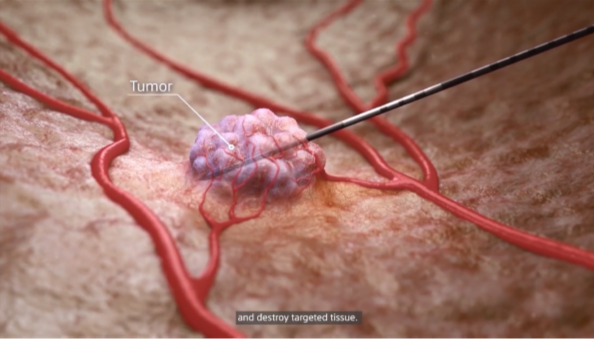
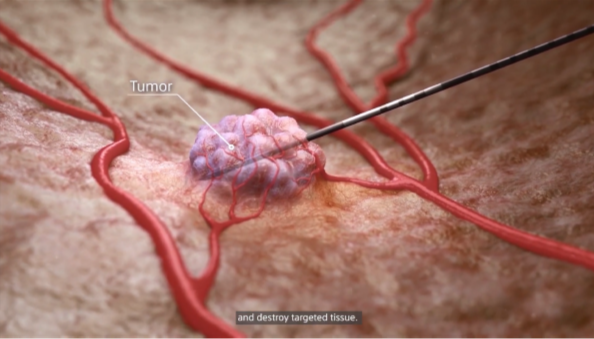
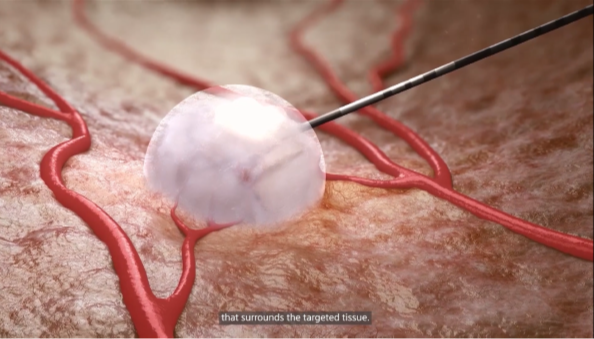
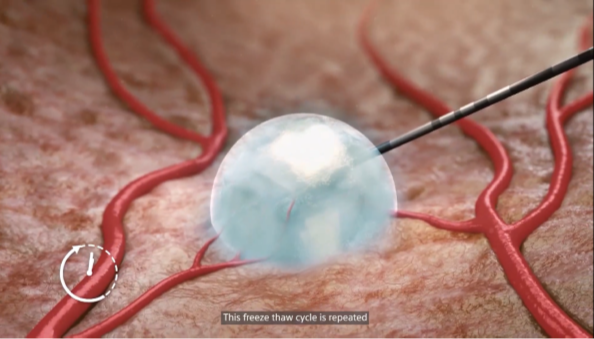
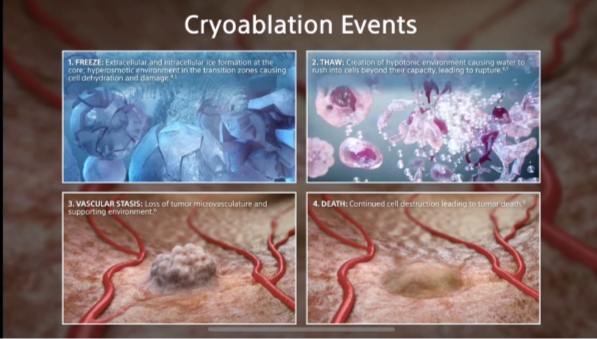
Cryoablation is a modern treatment technology that uses extremely low temperatures to destroy cancer cells. Currently, cryoablation systems use two main methods to generate the freezing effect, based on their mechanisms of action: inert gases such as argon or helium, and liquid nitrogen. Both methods are considered safe and provide comparable treatment effectiveness.
How is cryoablation performed?
Cryoablation is performed by an interventional radiologist, who uses ultrasound and/or computed tomography (CT scan) to guide the procedure. This allows the cryoprobe to be inserted precisely and safely into the tumor without the need for a surgical incision.
The cryoprobe is the key device used in the treatment. It is a very small needle, approximately the size of a pen tip. Once inserted into the tumor, it delivers extremely low temperatures to destroy the targeted cancer cells.
With image-guided medical technology and newer, smaller cryoprobes, the wound following treatment is very small, approximately the size of a needle puncture. In general, the wound gradually heals on its own within approximately 3–5 days.
Benefits of cryoablation
- Less pain than other thermal ablation.
Compared with thermal ablation techniques such as radiofrequency ablation (RFA) or microwave ablation, cryoablation generally causes less pain during and after treatment. - Helps relieve pain caused by cancerous masses or tumors.
- In addition to destroying cancerous masses or tumors, cryoablation can also help relieve pain caused by cancerous masses or tumors.
- An option for patients who cannot undergo surgery, making it suitable for patients who do not want to undergo surgical treatment or for whom surgical procedures pose high risks.
- Small wound, faster recovery, and shorter hospital stay.
Cancers and tumors that can be treated with cryoablation
- Cancerous masses or tumors in the breast
- Cancerous masses or tumors in the kidney
- Cancerous masses or tumors in the lung
- Cancerous masses or tumors in the liver
- Cancerous masses or tumors in bone, soft tissue and muscle
- Tumors caused by vascular abnormalities, such as hemangiomas and venous malformations

Who is suitable for cryoablation?
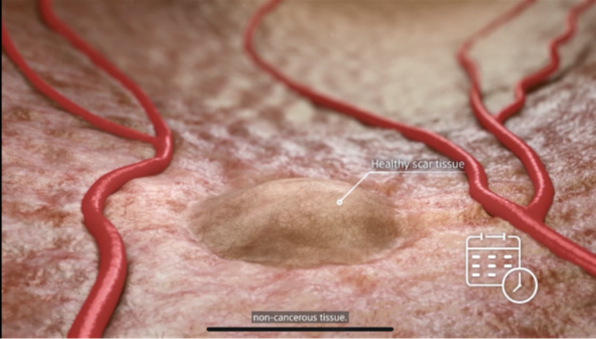
Cryoablation is suitable for patients with tumors or cancerous masses approximately 2–4 centimeters in size that can be visualized using ultrasound. This allows the doctor to plan and perform the treatment accurately.
How often is cryoablation needed?
In general, cryoablation is performed only once, as the targeted tumor or cancer cells are destroyed by extremely low temperatures during the procedure. However, the number of treatments required may vary depending on the size, location, and characteristics of the tumor, as well as the treating doctor's judgment.
After cryoablation
- After the procedure, patients may experience mild pain or a slight feeling of tightness around the treated area. This can be relieved with pain medication such as paracetamol.
- Patients generally stay in the hospital overnight for observation and can return home the following day.
- No additional wound care is required. A waterproof dressing should be kept over the wound for at least 72 hours.
- Avoid exercise or heavy lifting for 3 days after treatment.
Share article


Meet
the author

Concerned about your health?
Send an inquiry or schedule an appointmentRelated
articles