Uterine fibroids at any stage can be readily treated
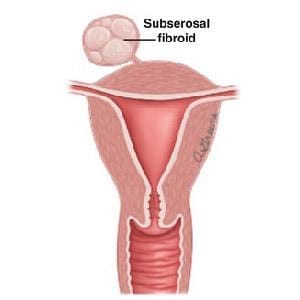
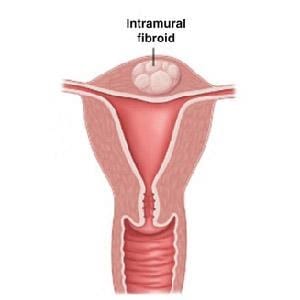
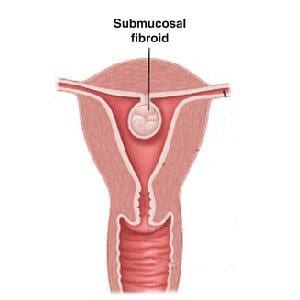
Locations of Uterine Fibroids


Locations of Uterine Fibroids
Self-diagnosis: Symptoms to identify the risk of having uterine fibroids
***In cases that are not symptomatic or severe, treatment may not be needed.
Diagnosis by specialists: After self-diagnosis
The administration of releasing hormones can be helpful in reducing the size of fibroids and, therefore, ease the patient's symptoms. However, these therapies can interfere with estrogen production and lead to unwanted side effects, such as hot flushes and vaginal dryness. Additionally, new fibroids may also develop once the treatment is stopped.
The Thai medical industry now imports a unique class of drugs from Europe that contain selective progesterone receptor modulators (SPRM), specifically approved for the treatment of uterine fibroids. These medications work by directly targeting and shrinking fibroid cells, making them highly effective. Targeted therapy can be used to decrease symptoms and fibroid size before surgery, or it may be prescribed as a standalone treatment, potentially eliminating the need for surgery. Furthermore, these drugs can stop irregular menstrual bleeding within 5 to 10 days, reduce fibroid size, and relieve painful symptoms.
In cases of larger fibroids or cases of severe symptoms, doctors may consider surgery as the most effective form of treatment. Currently, the standard treatment option is what is known as a hysteroscopy procedure, during which a hysteroscope, equipped with a miniature camera and light at the end of a tube, only about two millimeters in diameter, is inserted into the vagina in order to examine the cervix and the inside of the uterus. If larger growths are found, a larger diameter camera with a thin electric wire loop attached may then be inserted and an electric current is used to cut the fibroid or polyp into small pieces that can then be removed through the cervix without affecting any other parts of the body.
With our 3D 4K monitoring endoscopy all with our Critical Care Complex (CCC), to maximise precision and increase safety. We have an experience of over 3,4305 cases since we first started in 2013.
As both treatments need not much recovery, we are to be made sure there is no further infection nor complexities.
We have a wide range of rooms to choose from, examples would be :

