


Simple Snoring and Sleep Apnea: (Silent) Killer

 3 min read
 0.0
0.0Snoring can disturb the sleep of those who sleep around you. Snoring is often quite annoying and can be disruptive. It could be regular snoring or it could be sleep apnea.
Sleep Apnea is a condition in which you stop breathing repeatedly or breathe very lightly slowly. This condition can occur when the airways in the nose and throat are blocked during sleep (Obstructive sleep apnea: OSA) interrupting the flow of air, or it can be a disorder affecting the mechanisms of the central nervous system that controls respiration (Central sleep apnea: CSA). In either case, it can significantly affect your health, including your blood vessels and blood pressure. Other than medical implication sleep depreciation can also impact your social and professional life. It is a condition that requires immediate attention.
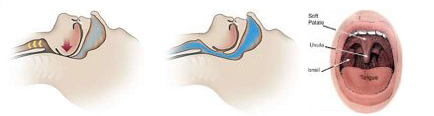
Low hanging soft palate during sleep
What are the symptoms of sleep apnea?
A bed partner often notices snoring and sleep apnea problems before the person afflicted by the condition does. Apart from the snoring, other signs and symptoms which may be similar or different from case to case include sleepiness during the day, morning headaches after awakening, feeling tired and sleepy despite getting plenty of sleep, dry mouth in the morning, weakness from unknown cause, frequent passing of urine at night from unknown cause, intellectual deterioration, poor memory or concentration, high blood pressure, a feeling of choking in the night, or waking up at night. Some people may have other symptoms such as a feeling of something caught in the throat, hearing loss, irritability, mood swings, being upset easily by family members or colleagues, and reduced sexual activity.
Who is at risk from sleep apnea?
People who are overweight and/or who have certain facial bone structures or oral structures, such as a small jaw, short neck, long uvula, or large tonsils.
How does sleep apnea affect your health?
Normal snoring does not affect your health, although it is quite annoying and disruptive. However, sleep apnea will significantly affect your health over time and increase the risk of vascular diseases such as paralysis, coronary thrombosis, high blood pressure within the next 5-10 years, cardiac arrhythmia, etc. Short term effects include poor concentration and diminished work performance. Besides, excessive daytime sleepiness affects personality and increases the risk of accidents that can lead to disability or death.
How to know if you have sleep apnea?
It is difficult to identify sleep apnea from snoring alone and an incorrect diagnosis can easily be made. To ensure accurate results, a study of sleep is performed in a specialized sleep lab. However, some obvious symptoms of sleep apnea are loud snoring, choking or difficulty breathing during sleep, and excessive sleepiness. In contrast, regular snoring tends to be continuous and not loud with no sleepiness symptoms.
If you think you may have sleep apnea, please consult a doctor so as to assess the risk and undergo a scientific study in a sleep lab. The doctor will assess and diagnose the snoring, sleep apnea, oxygen saturation level and degree of severity, and then plan appropriate treatment.
Epworth sleepiness scales
How likely are you to doze off or fall asleep in the following situations? Give yourself points according to the scale:
- Watching Tv
- Sitting and reading
- Sitting inactive or listening to a lecture
- Sitting and talking to someone
- In a car, while stopped for a few minutes in traffic
- As a passenger in a car for an hour without a break
- Sitting quietly after a lunch without having consumed alcohol
- Lying down to rest in the afternoon when circumstances permit
Scale
(No chance = 0 points, Slight chance = 1 point, Moderate chance =2 points, High chance = 3 points)
Check your total score to see sleepiness score. If total score less than 7, it is normal.
Total Score 8-10 = Slightly sleepy; 11-15 = Moderately sleepy; 16-20 = Very sleepy; 21-24 = Extremely sleepy
How is sleep apnea treated?
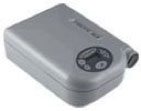
Continuous positive airway pressure (CPAP) is a common treatment for sleep apnea. This device helps a patient to breathe more easily during sleep by keeping the airway unblocked. Both snoring and sleep apnea can be treated in this way.
Various surgical treatment are available for normal snoring and sleep apnea in some mild cases or in cases of abnormal structures, such as large tonsils for patients who are not allowed or do not want to use CPAP. Other non-surgical measures, such as weight control, physical exercise and sleeping on one side are also recommended. Co-existing diseases such as hypothyroidism and allergic rhinitis should be treated as well.
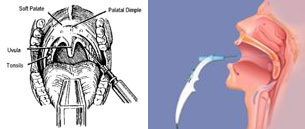
Surgery Options
Share article

